Burst Dance Project Kirill Burlov Green
Digitalis Dance Company Leda Franklin Stones' Echo
Divya Kasturi Dance Company Memory
The great and the good of the dance world were out in force at Resolution! on Saturday, drawn like moths to a flame by a solo performed by Royal Ballet star Edward Watson, choreographed by Kirill Burlov. But this was no classical exercise: Green, as much art installation as dance, turned out to be a sinuously organic experience, a dance which was drawn from the ecological soul of the planet.
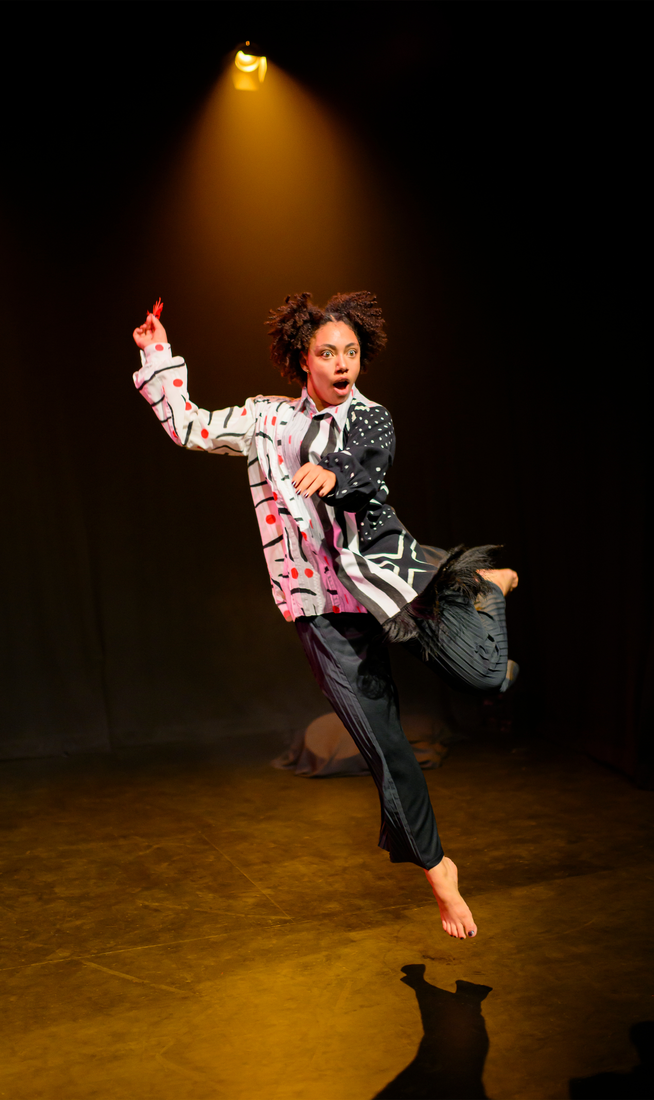
Dressed like an amphibious traffic light topped with a clown's ruff, Watson emerged, liquid and muscular, as if from a primordial swamp. The look was glam rock meets eco warrior but the intent was evident: Burlov was melding the human body into the natural world, Watson rippling out extreme back stretches as behind and below him enlarged film images wrapped around his limbs. The movement, minimal and intense, dug deep into our collective muscle memory as Watson disappeared into a verdant cosmos. As a take on our essential being and nothingness, Green was quietly haunting.
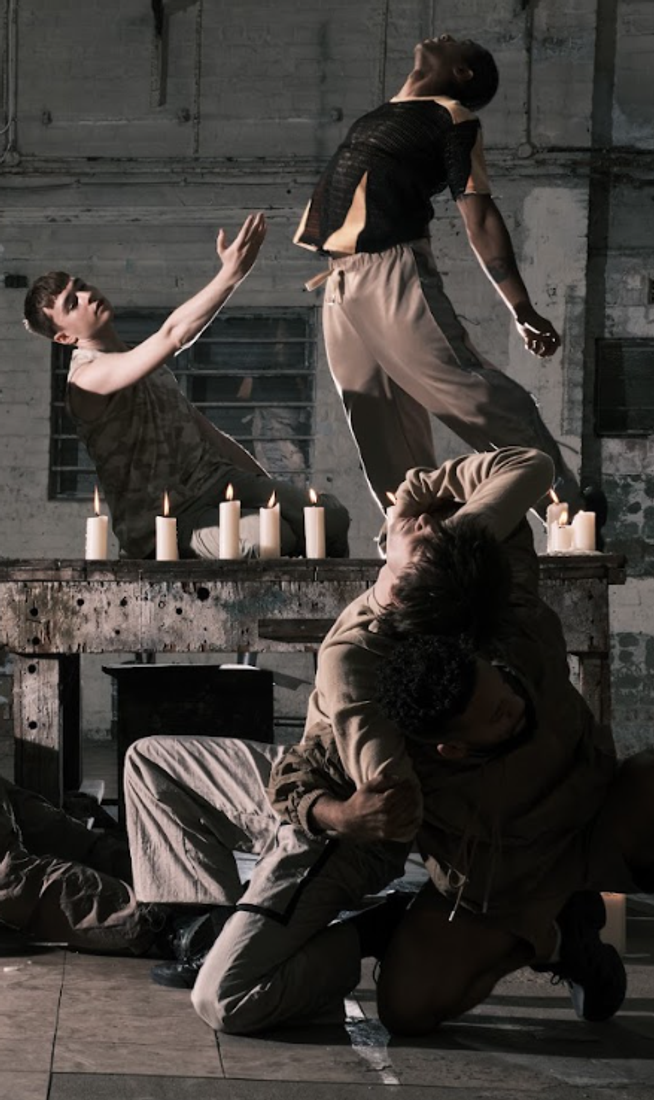
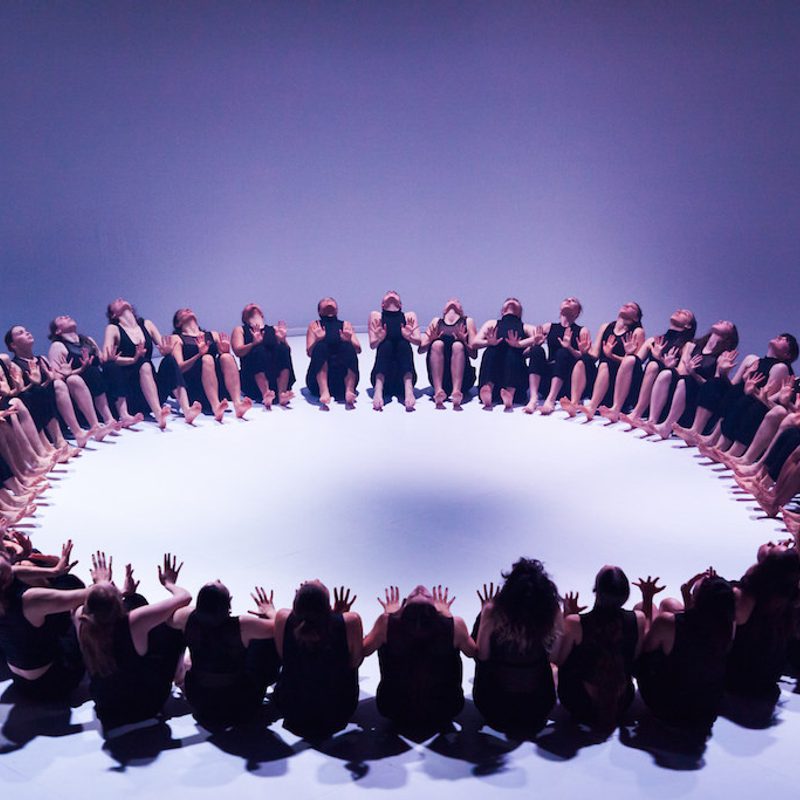
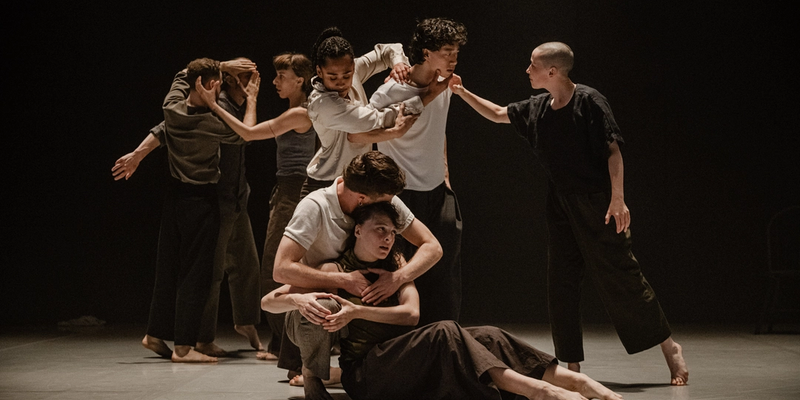
There was an odd conflict at the heart of Stones' Echo, which bravely mixed comedy and drama in an unsettling piece which started out with playground rituals and a beanie boyband performing slow-motion yoga to a funky beat and climaxed with a disturbing image of a woman being stoned. Choreographer Leda Franklin may have been trying to make a point about how male bonding evolves into testosterone-fuelled intolerance, but the transition from playful games to shocking brutality was too sudden a leap. What started out as charming and astutely observed ended up feeling unfocussed and oddly exploitative.
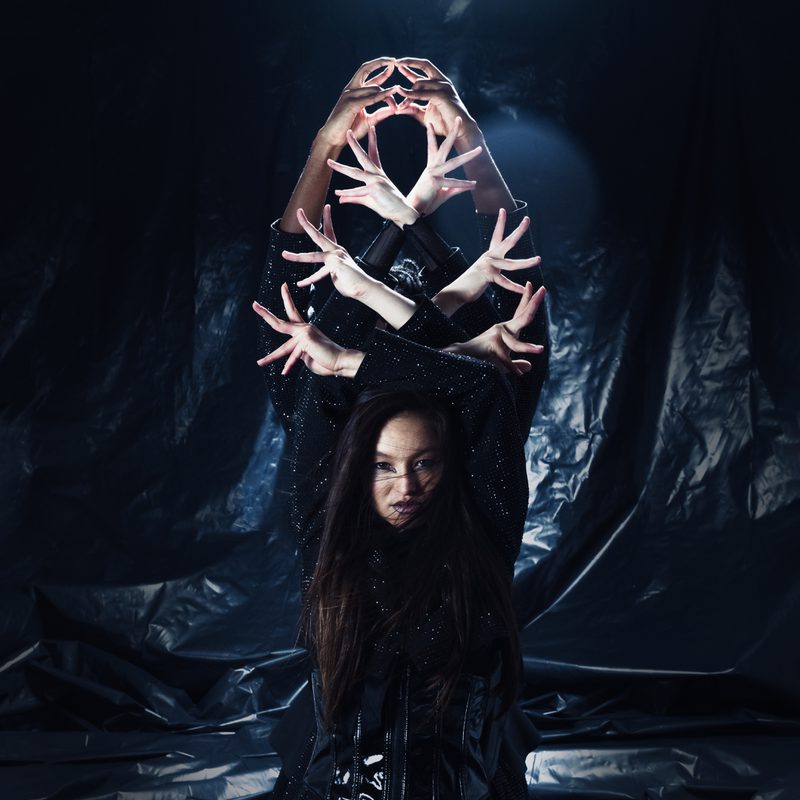
Whereas Memory, a solo by kathak specialist Divya Kasturi, wisely played to its strengths. Kasturi ably sketched out a life story with hands and feet, tracing geometric rhythms and expressive hand gestures with confident simplicity. Memory was not out to rewrite the kathak rule book, but Kasturi proved herself an engaging mistress of this ancient art.
Keith Watson
A diverse evening of dance begins with Divya Kasturi's Memory, a solo Kathak performance with no ghungaroo bells, no live accompaniment but a real focus on the movement itself. Kasturi executes solid technique through the combination of strong pronounced tatkar footwork and exquisite fluidity in the wrists. Small hand gestures indicate the narrative of the Tamil poetry but the busy choreography sometimes limits the communication of emotive possibilities. Repetition and development worked well as a method for exploring memory and the piece was structurally secure.
Another solo performance comes in the form of Green by Burst Dance Project, as choreographed by Kirill Burlov. A piercing metallic accompaniment juxtaposes with the calming trickle of water to which Edward Watson, with a ruff around his neck and blood red hands, delivers tilts, leans and strong clean lines that melt into angular, contorted shapes. His devotion to movement vocabulary and concept is at once, absorbing. Computer graphics dance their way around the backdrop and stage floor, combining with the soloist's movement - Green effectively utilises the collaborative process.
Two male dancers begin crouching on the floor where they intently flick stones between each other. A male and female dancer engage in literal movement as they throw, catch and drop stones - Digitalis Dance Company's Stones' Echo does exactly what it says on the tin (or programme note). Visual display represents choreographic ideas but is not necessarily needed as sections of the work provide enough detail of their own. Appearing almost as a stone herself, the woman is violently thrown between the male dancers, in sheer desperation she seeks support but is denied it. In a brutally bold ending, the stones emerge in protest as a weapon, a power struggle for the one woman against four men. Powerful dance imagery.
Lucinda Al-Zoghbi