Zosia Dowmunt  I Am An Island

Silversmith Dance Theatre   Thou Shalt

Hubert Essakow Dance   Kanaval


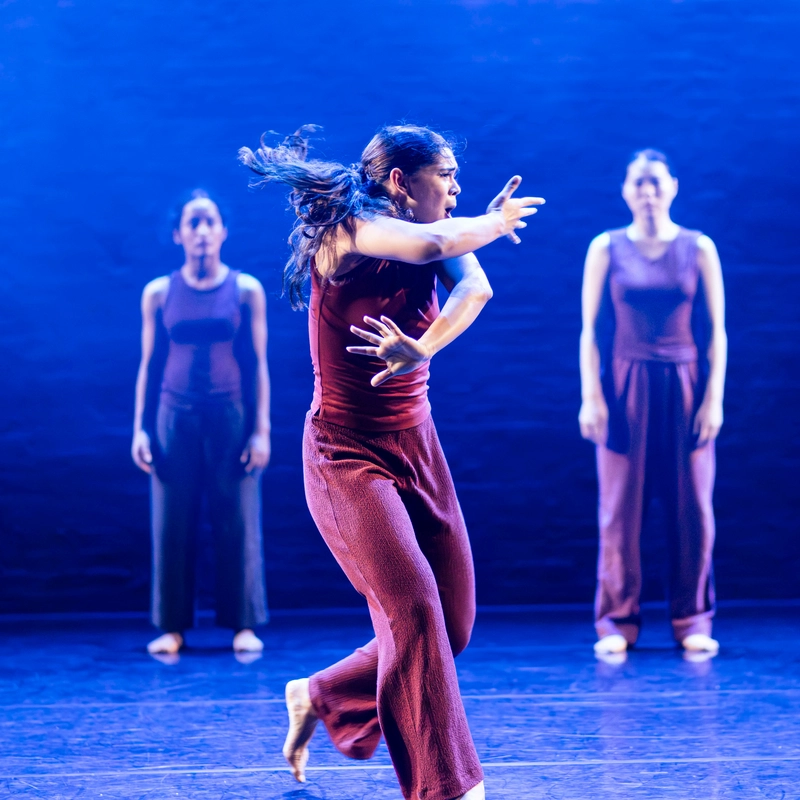
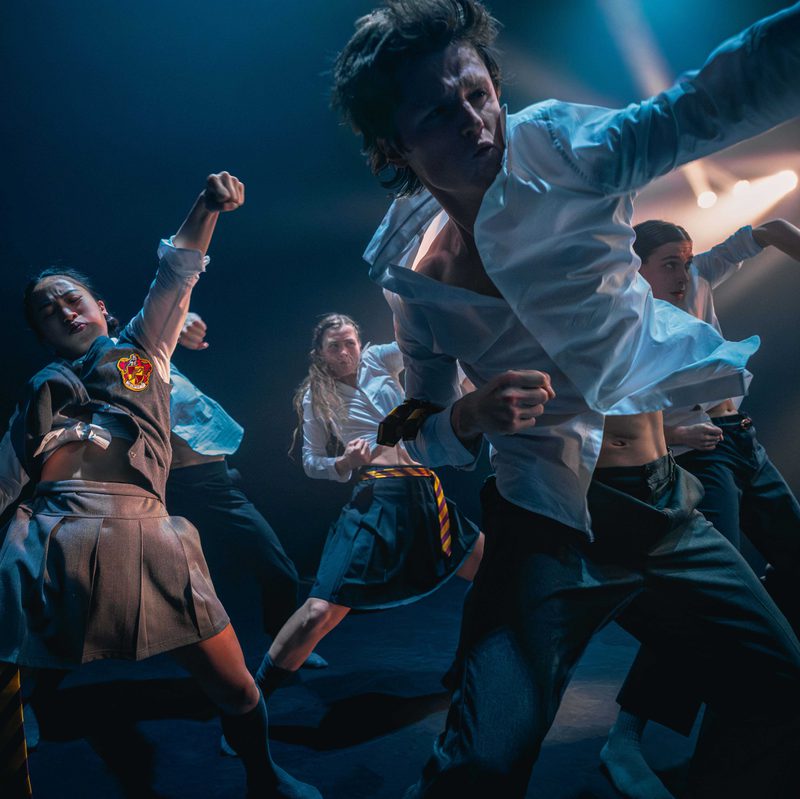
Sometimes you wonder how much life there is for the UK-made dances in Resolution! For instance, will the curtain-raising I am Island ever be remounted, or is it a more of a steppingstone for choreographer Zosia Dowmunt? Wearing white t-shirts bearing the word ARTIST, she and three game mates staged a kinetic consideration of how popular music - cue tracks by Nitin Sawhney, Jimi Hendrix, Simon and Garfunkel and John Martyn - helps define us. The movement was more vigorous than rigorous, like dance among friends in explosive party mode. Unafraid of speech, the cast made a virtue of slap-dash individuality. Their slightly naïve energy contained a whippersnapping wit; they know - and say - that nothing's original any more. Their winning personalities helped me forget and forgive the (deliberately?) bad beginning with a soloist awkwardly struggling to say something.

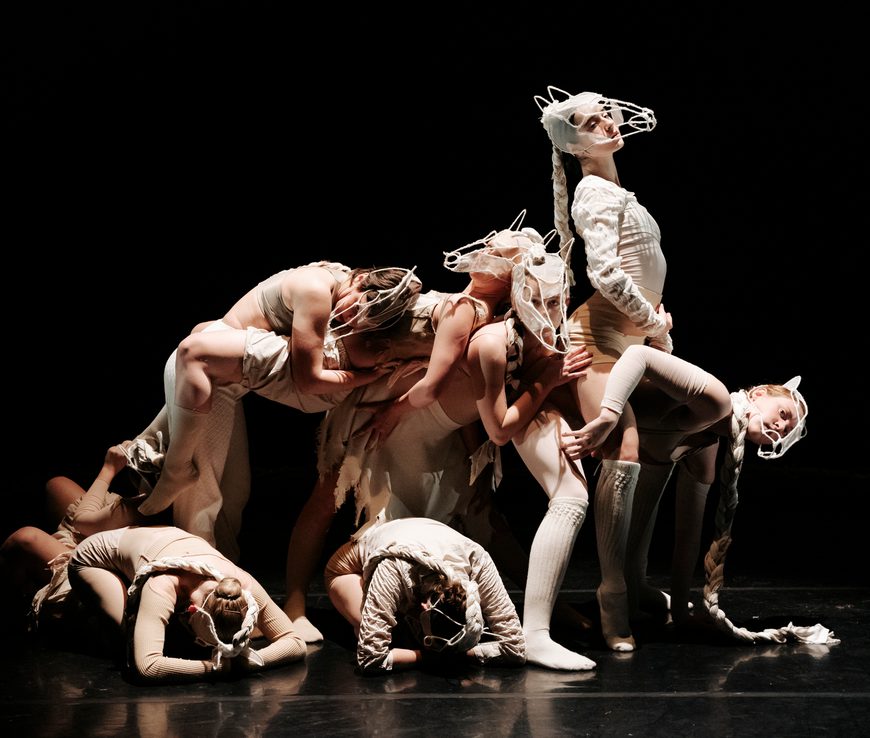
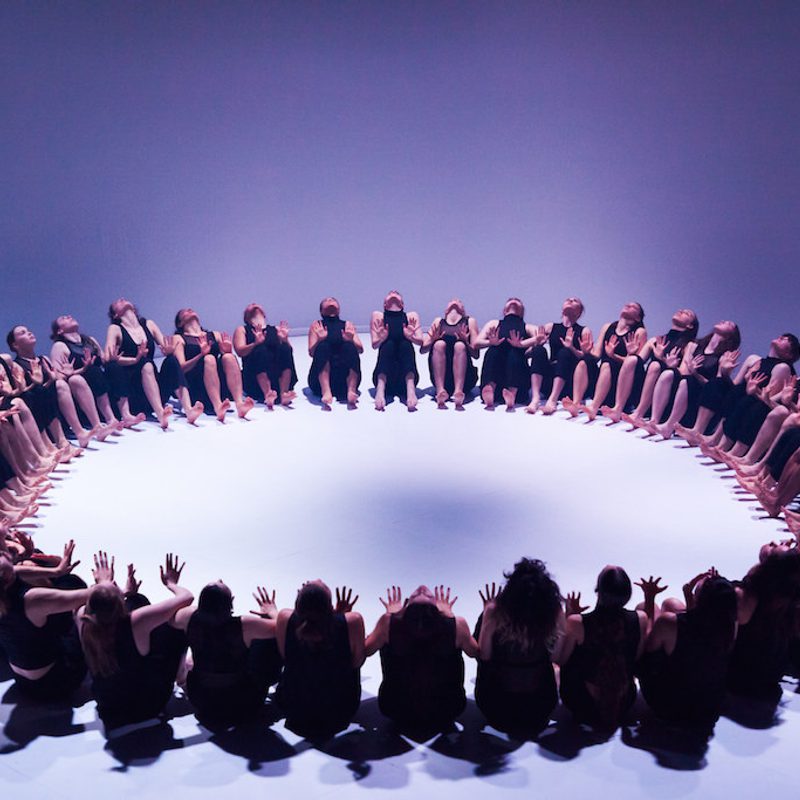
Silversmith Dance Theatre's Thou Shalt was the bill's most polished piece. Will it ever be seen again? 17th-century colonial Puritanism (think Arthur Miller's The Crucible) was the historical source for Lorraine Smith's study of severe self-denial versus secret sensuality. Four women in long, plain skirts with lacing on arms and bodice (excellent costumes by Nadia Malik) enacted, separately and together, repressively rigid rituals. One was a cellist whose instrument became a seductively curvaceous prop. Composer-guitarist Patrick Furness supplied further musical tension offstage. I'm unsure what, if any, new insights into either the period or the female psyche the piece affords, but in all departments it was impressively artful.

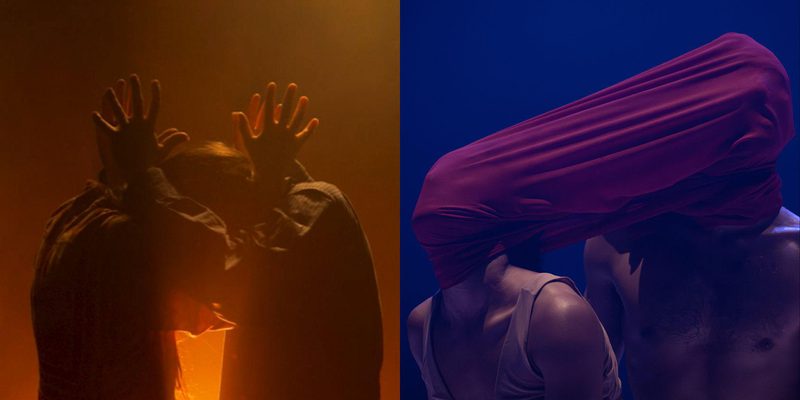
Haitian street carnival characters were the springboard for Hubert Essakow's Kanaval. Four fine, intermittently masked dancers in wildly motley garb (feathers, leather, burlap) swept through rangey, detailed bouts of barefoot balleticism. The dance was strong, if sometimes over-generalised. What, I occasionally wondered, was all this rushing for? Something to do with transformative power, apparently. Mark Webber's score, supplemented by the more lyrical, string-based compositions of Osvaldo Golijov, lent the piece an air of wonky attention. Will this work be developed further?

Donald Hutera


I am Island spells out self-consciousness and hesitancy in direction. Wearing "Artists" labeled T-shirts, the piece is punctuated by two male and two female dancers stating their own individuality to the audience. Zosia Dowmunt mixes these passages with pop music, street-dance and a comic flair throughout. The funniest moment arrives when an infuriated male dancer argues against a pseudo-intellectual discourse that aims to explain his proclamation "I am a rock". The explicit references to their lack of originality, stealing and recycling from previous artists transform the piece into a student exercise. Dowmunt should not excuse herself but aim for more ambition and self-confidence.

The stringy tears of a mournful and weak violoncello waft four ghost-like women to on stage. Dressed in the same habit as the rest of the cast, one of them plays the instrument. With a monastic austerity in their humble gestures, like sewing and washing hands, these women become violent and paranoid, rendering repetitive tasks painful to watch. The sudden changes of tempo and contractions remind us of Anne Theresa de Keersmaeker. Silversmith Dance Theatre creates a potent image as its members pass the violoncello from dancer to dancer, fusing the severe physicality of the piece with the music. A shame they do not pursue that thread much further. They offer us instead a timid rediscovering of the world and themselves.

Esoteric, shamanic and primitive can also be cool, civilized and attractive. Feathers, sequins and metallic skirts worth gracing the catwalk wrap the four dancers stylishly but overshadow Kanaval. Hubert Essakow fails to confer individuality to his characters with the exception of Dorottya Ujszaszi's solo which is sensual, sophisticated and feline. Overall, an epic disappointment given the dancers' technical ability and Essakow's cleverly manoeuvered choreography with dynamic group compositions. The dance language is vigorous and mature, bringing into dialogue elongated bodies and curves, sharp passés and fluid turns. Essakow should take pride as only artists with great ambitions disappoint.

Marina Ribera

<

May

>
M T W T F S S
  1 2 3 4 5 6
7 8 9 10 11 12 13
14 15 16 17 18 19 20
21 22 23 24 25 26 27
28 29 30 31      
     

In this section