Emelie Wångstedt Do the performance
Jack Webb The Bravest Thing You Can Do Is Be Still
Joseph Mercier Tuga
Each work in this mediocre programme lacked fresh movement ideas and struggled, in varying degrees, to convey clarity of purpose. All three pieces used words either incoherently or ineffectively, from mumbled snatches of Swedish in the opener; through inaudible instructions shouted via megaphone into the blur of loud music; to the random text of the finale, delivered unconvincingly by performers clearly uncomfortable in speaking roles.
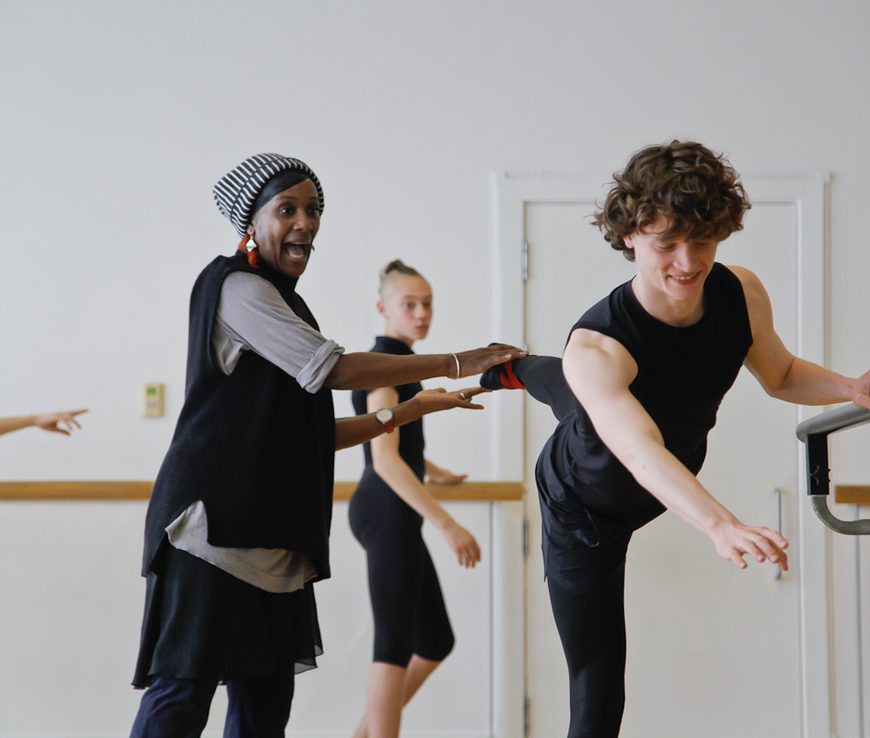
Jack Webb gave the strongest performance in a self-choreographed, aggressive, Kafkaesque solo. It progressed from a series of simple rotational movements through a spiral of hyper-flexible contortions and increasingly manic behaviour until descending - following a prolonged balance in a headstand supported on his forearms - into an exhausted and trancelike state. His psychological collapse was enhanced by the structured use of identical props to suggest the obsessions of repetition. Although a marathon of physicality, it was overlong (at 23 minutes) and the performance achieved little added value in its final third.
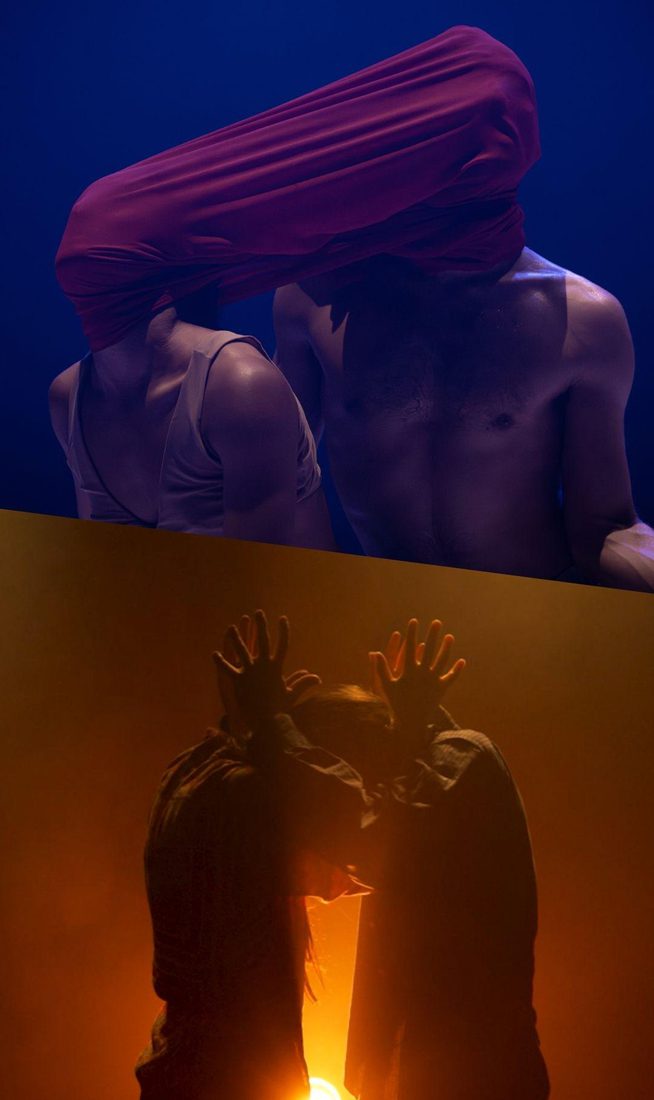
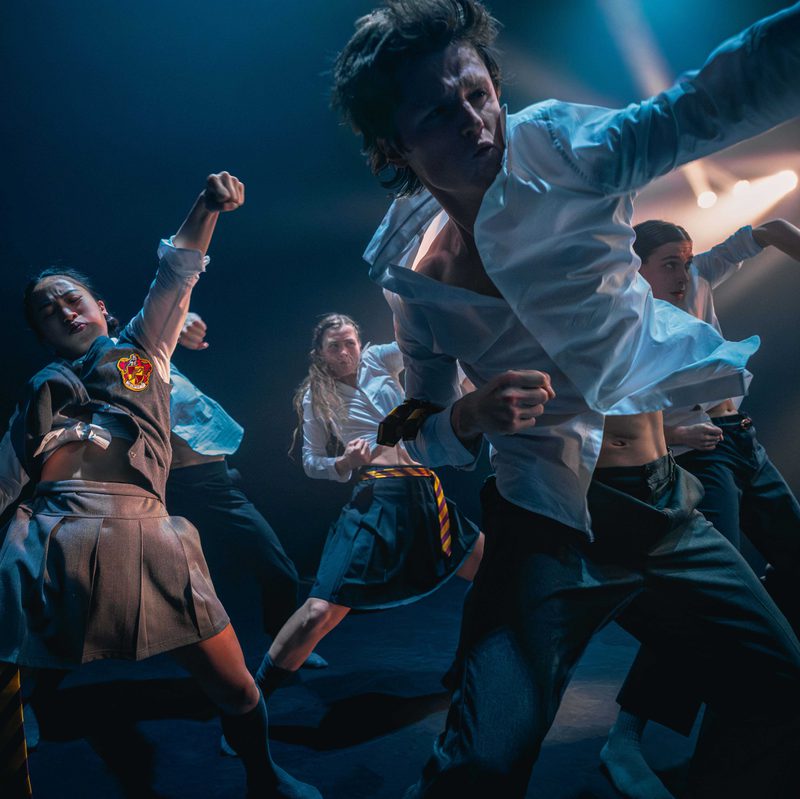
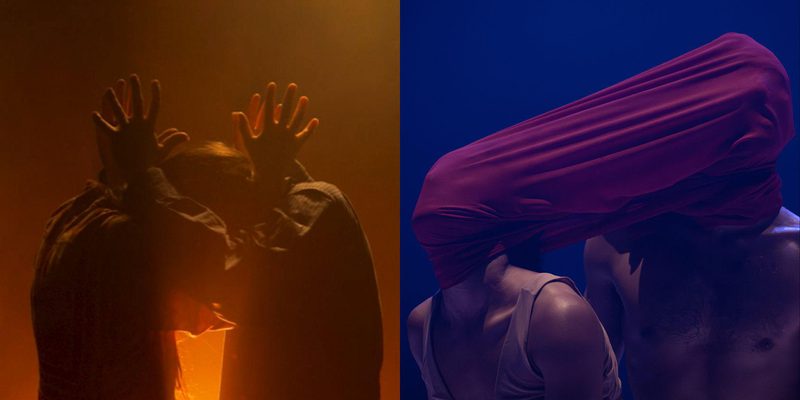
Joseph Mercier's Tuga produced some arresting imagery within an effective use of space and light, supported by an intriguing soundscape that evoked a sense of chaos in crackling, popping lava and other noises of destruction. Boundless energy characterised the occasional flurries of dance, including a burst of air guitar, but the quality of movement was unremarkable. The central character's constant waiting, trapped inside her war zone apartment, watching an endless round of TV news was a powerful motif, but the work was cluttered with too much content for the six performers and, overall, Mercier failed to convey a coherent or consistent purpose.
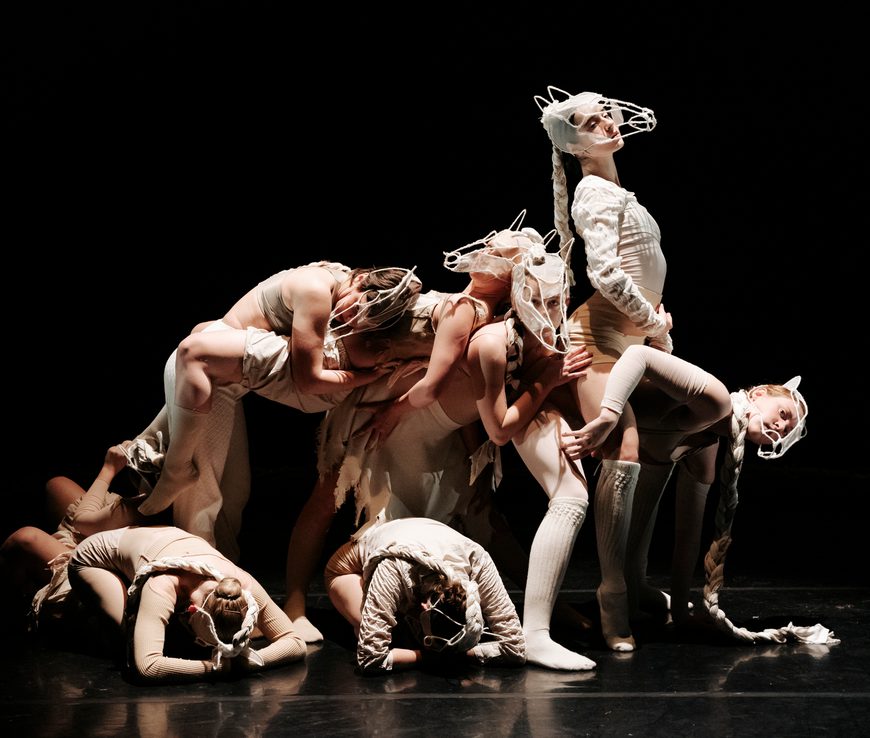
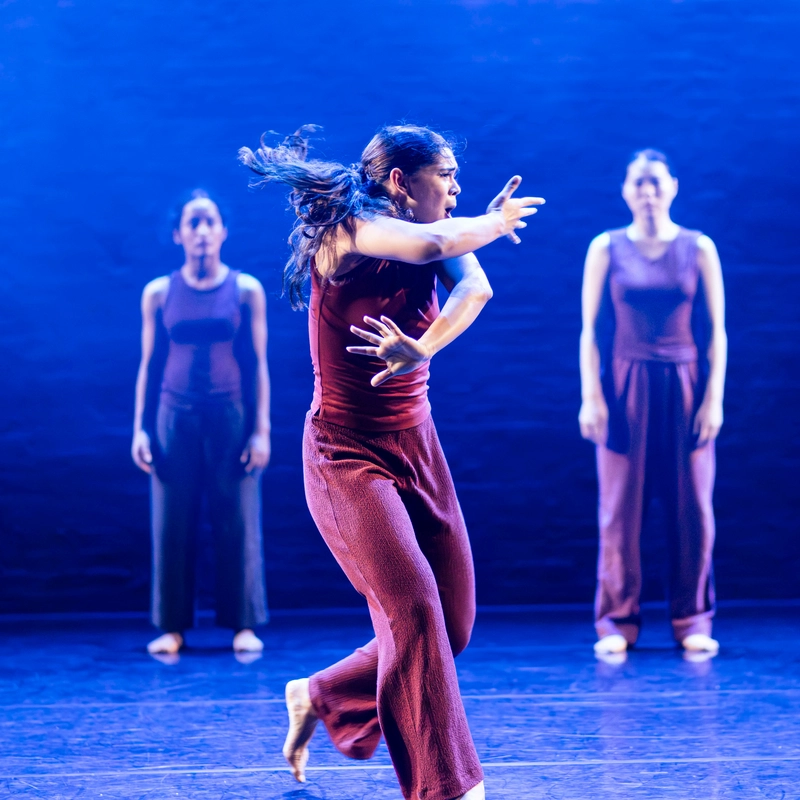
Emelie Wångstedt's Do the performance was the emptiest of vessels. The best element was an eclectic musical score and Seu Jorge's acoustic foreign-language version of Rebel Rebel had me searching iTunes. The three performers exchanged occasional anxious looks, suggesting a work still in progress; and there was no sense of theatre, no evident purpose and an absence of memorable movement. The instructive title should have ended with a bold exclamation mark!
Graham Watts
The sense of touch was foregrounded in Tuesday night's performances. In the weakest of the three pieces (the first), dancers brushed past each other nebulously, in the strongest (the last) they forced an audience member's hand to a palpitating heart.
A golden trio warmed up the stage with loose funky moves in Do the Performance, a placid routine on the revocation of past memories. With their continual manipulation of the soundtrack from an onstage laptop, and conscious witnessing of each other's performances, the dancers showed that memories are choreographed and rehearsed. Eyes shut the three orbited their co-performers like binary stars, giving an impression of tenderness. Still, the piece's soothing monotone soon caused my own lids to grow heavy.
Returning to a vertical arrangement of black chairs and a red-shirted, severely cropped Jack Webb after the interval, I felt as though I had been transported to a Soviet sports-ground. To a soundtrack of breaking of bones and bench-creaks Webb executed a discus-thrower's twist, drawing attention to his hyper-extendible arms. Webb's Olympian manliness soon gave way to a diva-like cult of personality - the chairs were rearranged to display his picture and he too changed into a t-shirt emblazoned with his face. Though his headstands and flips were athletic, they were laced with deliberate decadence in being only half-achieved and accompanied by profuse eye-rolling and floor-slamming. Unusually for a soloist Webb was generous and vulnerable, not self-indulgent.
Featuring contact that ranged from the soft nudging of nude buttocks to the ricochet of shell-shock, Panic Lab's Tuga created a literally moving picture of war. Though the characters' story was appropriately delivered in fragments of spoken word and movement, by the end the action had prophetically fulfilled the narrative. The merits of this piece were too many to list, but Joseph Mercier deserves particular praise for his convincing portrayal of a bullet-haunted body.
Katerina Pantelides