Raquel Claudino, The Dead Can Dance
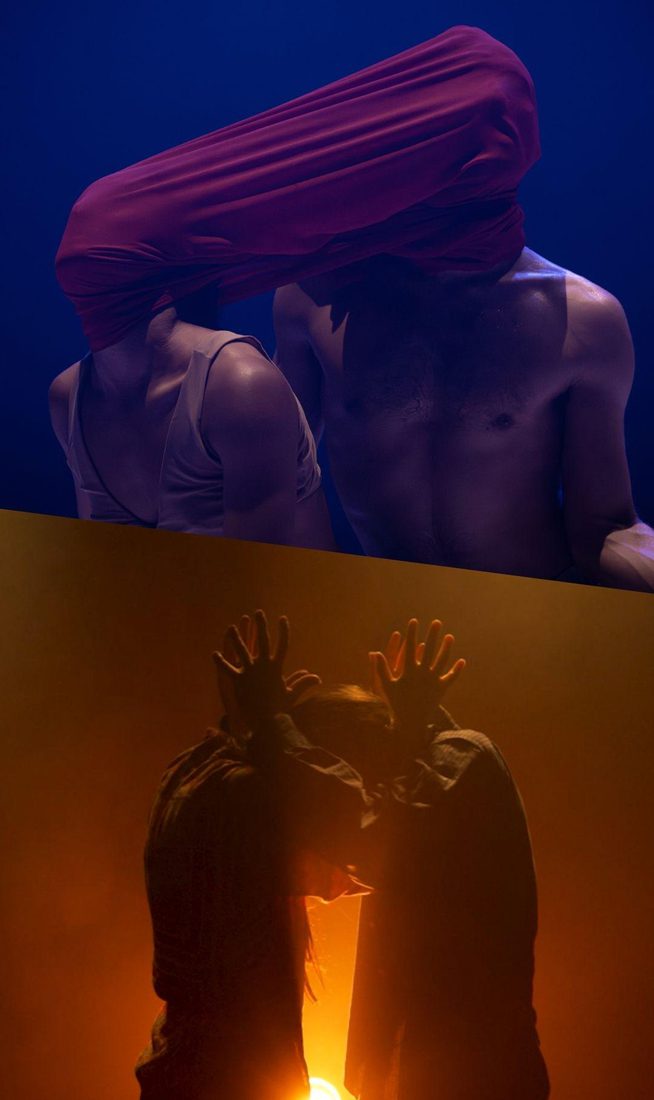
Subtle Kraft Co, Cravings of Intimacy & Solitude
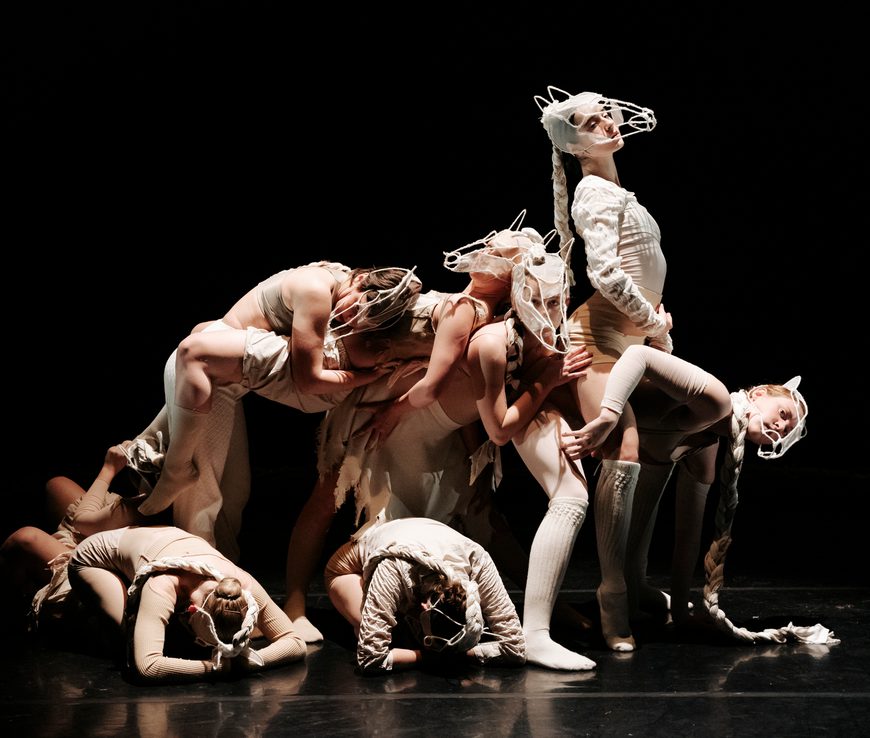
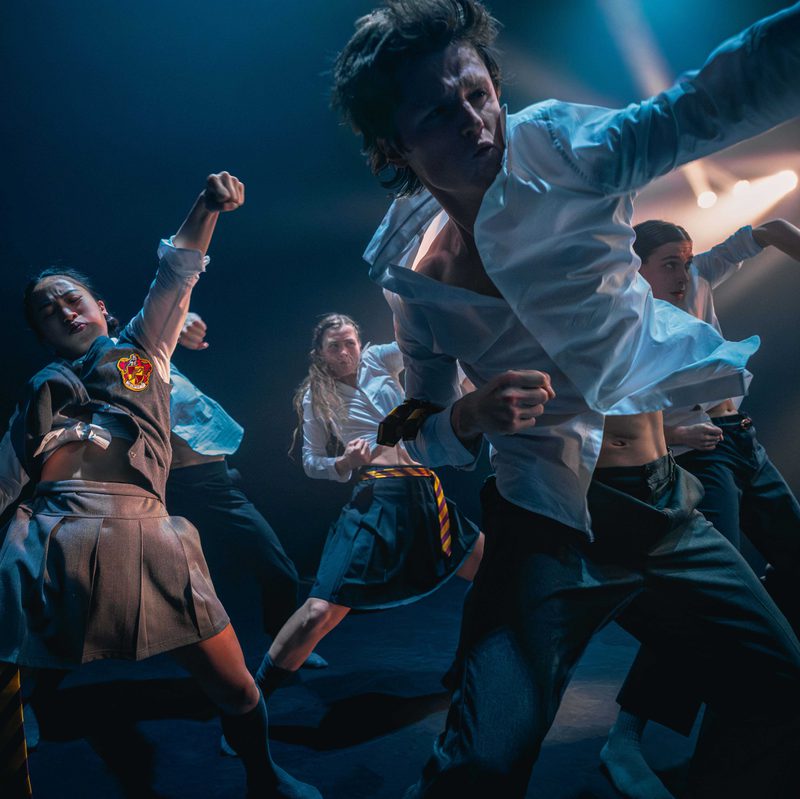
Rosie Whitney-Fish & Company, The Femme Fatales
One Resolution! lesson I’ve learned so far: fifteen - twenty minutes is too long sometimes, even for good ideas.
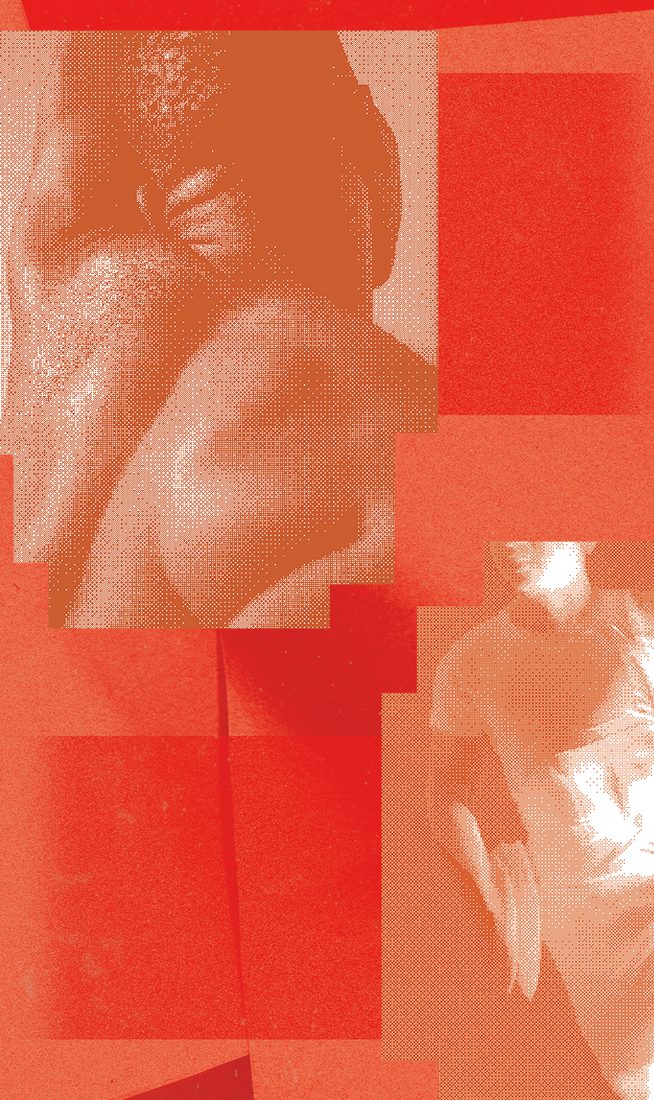
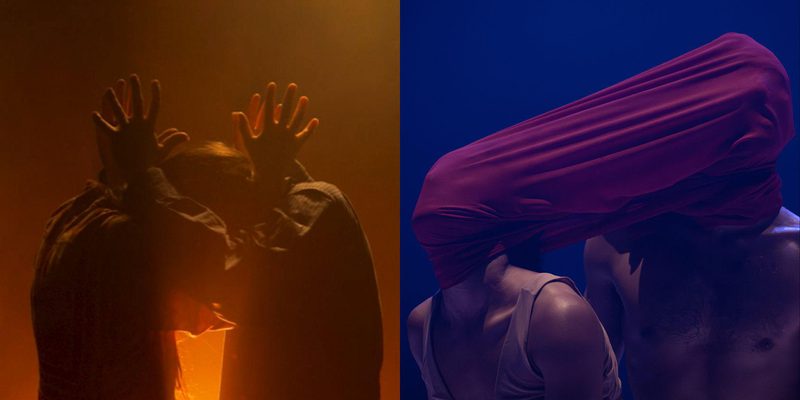
Raquel Claudino’s The Dead Can Dance had enticingly macabre overtones, opening with the two dancers clawing at their faces, arms writhing around and threatening to wring their own necks. The twitches, gaping-mouth gasps and chilling head shivers executed by Anne-Maarit Kinnunen and Ana Vilar, both in unison and tandem, effectively conjured the gothic subject matter of living bodies possessed. But there were lengthy aimless sections that came off like awkward improvisations and at times some of the moves started to look goofily reminiscent of the jazzy zombies in Michael Jackson’s Thriller video.
Subtle Kraft Co.’s Cravings of Intimacy & Solitude was similarly diluted by stretches of material that seemed to be perpetually unfolding, but never arriving at much more than languid arm stretching and wistful facial expressions. This work did have graceful gentility about it, however, and while overly sentimental in places, it was also genuinely moving in others. In a piece about being alone…together – a conundrum we all face sooner or later – Kimberly Harvey and Anna Bergström conversed intimately with interconnecting fingertips, literally carrying each other, exploring the movement inherent in each of their differently-abled bodies through imitation and mutual physical dependence.
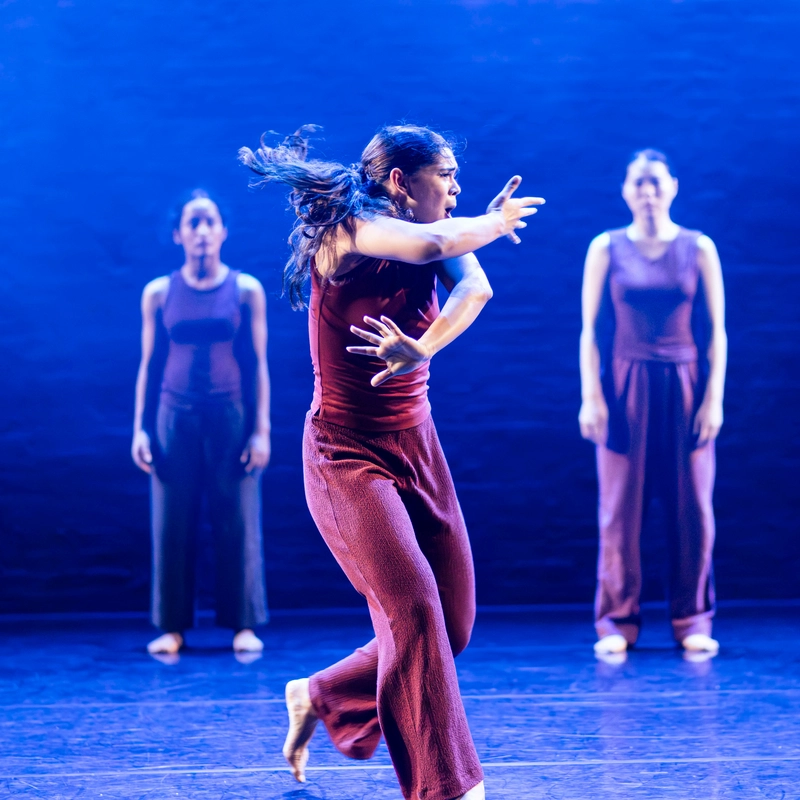
Energetically dancing the evening off on a cheerful tangent, The Femme Fatales by Rosie Whitley-Fish and Company was jam-packed with overlapping solos and group work undertaken by a curious collection of hybrid Fellini-Goddard-Almodovar-Bergman type ladies and a stoic chorus of deadpan every-divas. It was a confusing and messy referential mish-mash of fragments, performed with a fair amount of skill and good natured humour, wisely taking infectious pleasure in its own silliness. A video in the middle was simple but sophisticated in its cinematography, a terrific short dance film actually, that could stand on its own. But the ending was jarringly abrupt and denying the cheering crowd a curtain call felt needlessly pretentious, even rude.
Jeffrey Gordon Baker
The magical spark of inspiration that conjured each of these three works into being was clear to see, albeit flickering into flames of very uneven duration. The piece that sustained the longest, with easily the most complete structure, was to be found between the two intervals as Subtle Kraft Co developed an exercise in pairing an able-bodied partner with a non-ambulant dancer. It plucked heavily on strings of sentiment, aided by stirring, emotive music pitched perfectly to intensify the cravings of intimacy and solitude that the pair set out to portray. It didn't need to garnish the sentimentality since the piece grew out of a natural empathy and connection between the performers. Captured in every touch and look, they suggested a bond that was both comfortable and powerful. It was slushy, and it slipped into an occasional lapse of momentum, but it stayed on the right side of being real.
Raquel Claudino's The Dead Can Dance started strongly through invoking imagery of terpsichorean zombies (or at least some very sick people). Both dancers cradled their arms around their heads plucking and pulling at their own faces with dementia spreading to afflict their balance, forcing twisted, grotesque and uncontrolled movement. But these excellent first few minutes faded as the choreography veered back and forth from controlled duet (with one dancer always slightly behind the other's movement) to frenetic uncoordinated actions.
Rosie Whitney-Fish & Co's The Femme Fatales sounded more promising on paper than it achieved on stage. None of the characterisations of the four central women whispered even the vaguest hint of seduction, which seemed to undermine the concept. An incongruous film interlude of a girl running free within a ruined building to the scratchy recording of Mexican music, while pleasant, appeared as a random piece of unnecessary padding. The deconstructive idea that performers had rehearsed their roles independently before meeting was potentially exciting but it remained a spark that failed to ignite.
Graham Watts