The Place - Home
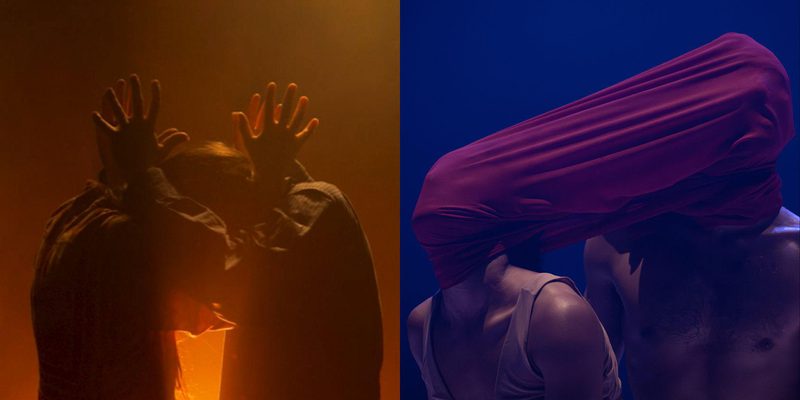
a creative powerhouse for dance in the heart of London
One of Europe’s most exciting, innovative dance spaces and home to London Contemporary Dance School (LCDS); where artists from all over the world come to push creative boundaries, to experiment and to perform outstanding new work for audiences who expect to be surprised, inspired and delighted.
About us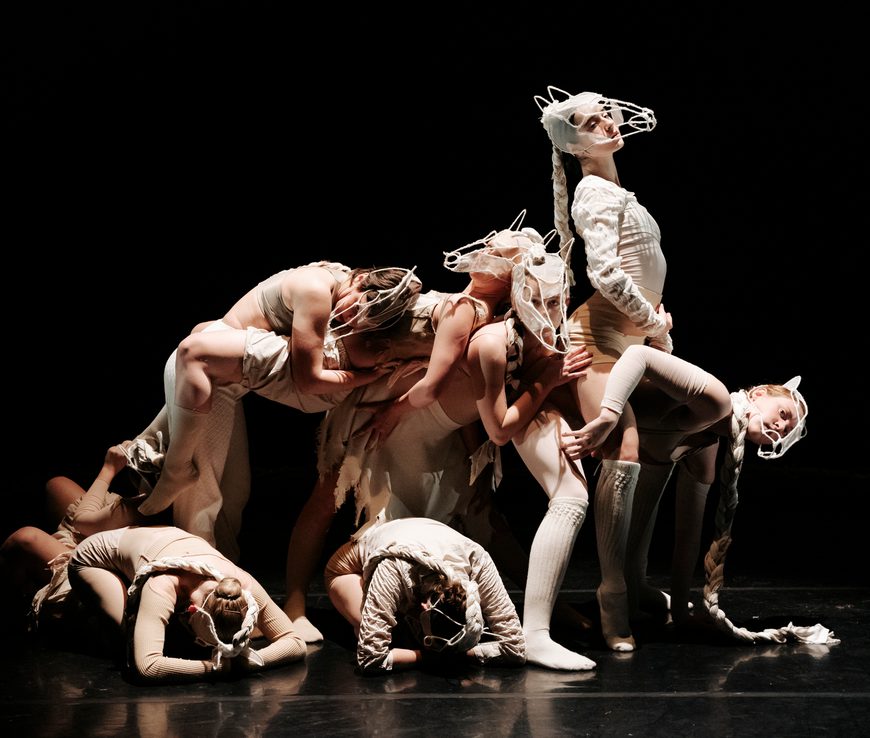
Study
Join London Contemporary Dance School for world leading dance education at undergraduate and postgraduate levels
Find out more
Dance
Weekly classes for all ages and abilities, taught by inspiring professional dance artists
Find out more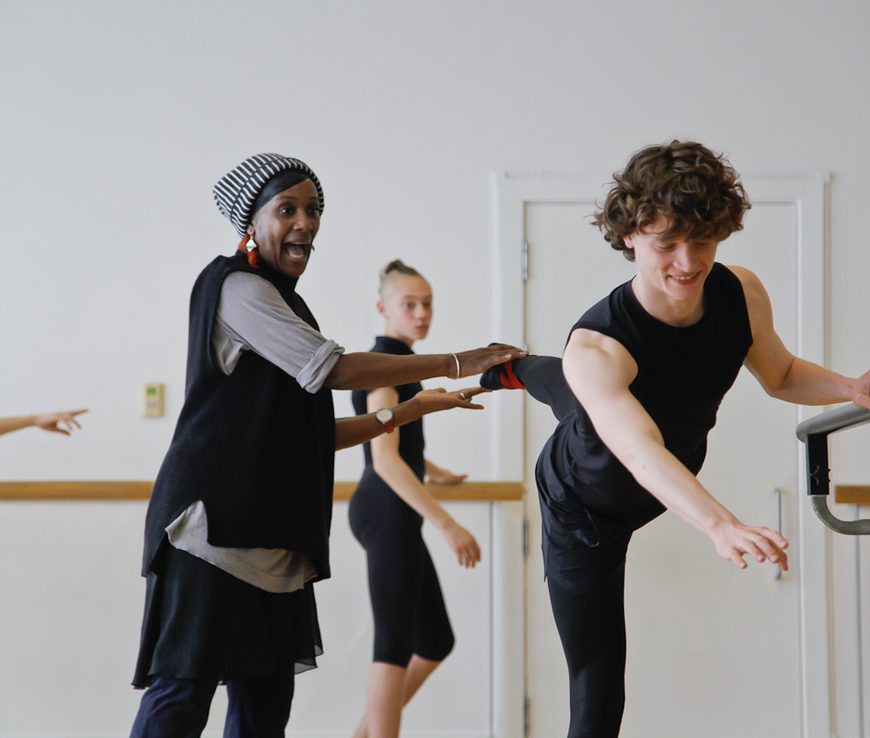
Centre for Advanced Training
A pre-vocational training programme for young people aged 11-16 years to explore and hone their passion for dance
Find out moreWhat's On

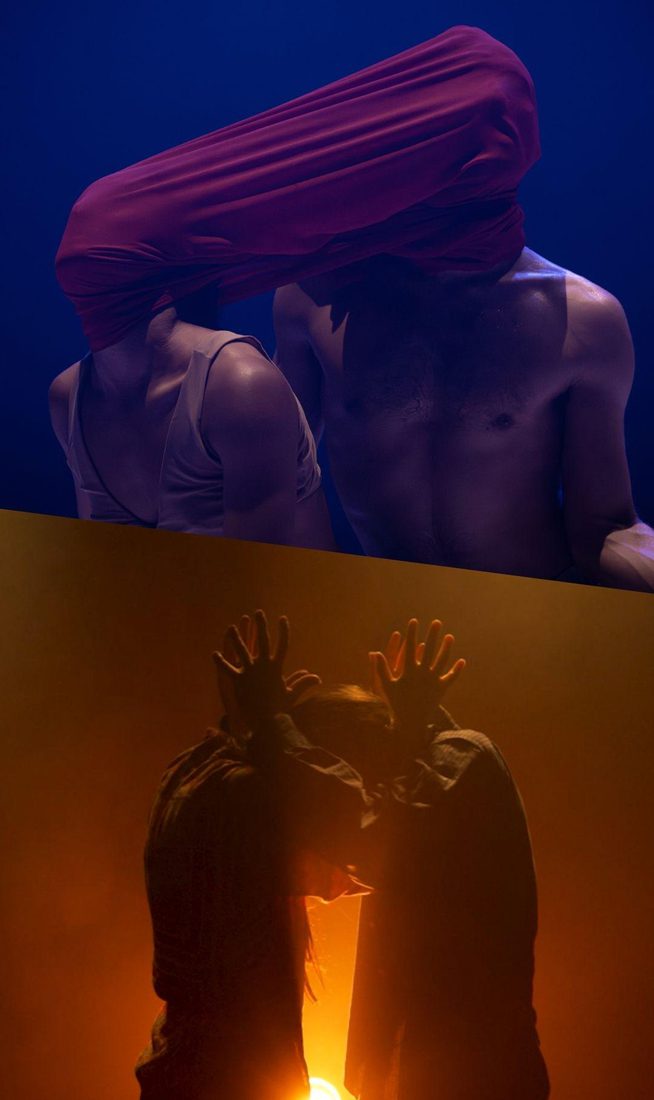
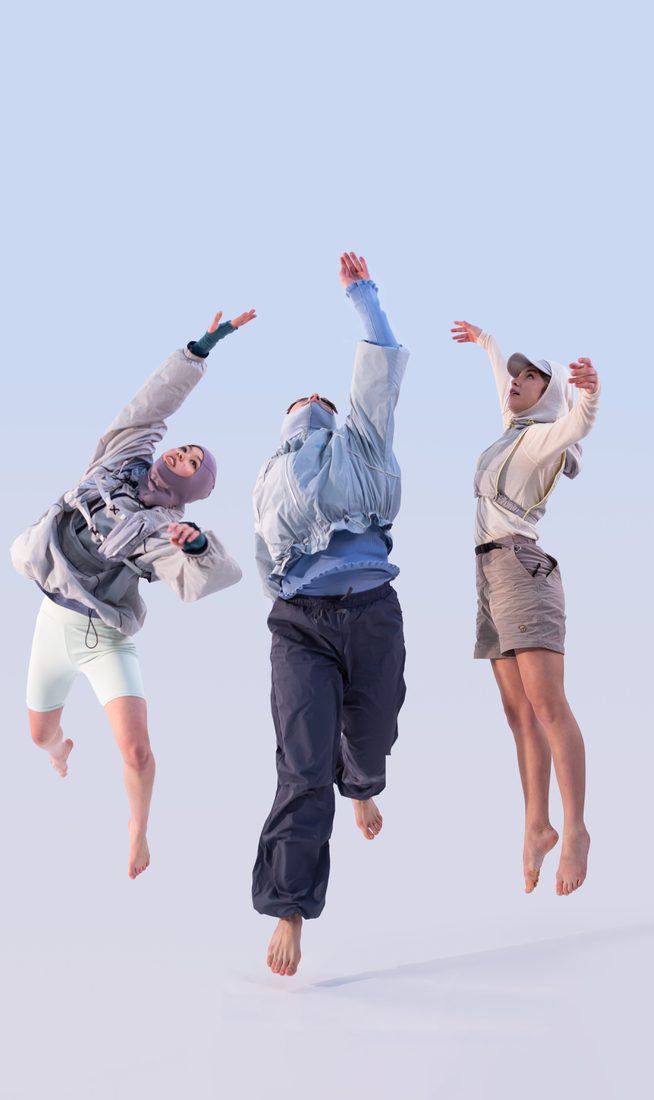
Discover more dance on our What's On page.

News and stories

The Place presents RONiN by Yukiko Masui – on a major UK Tour
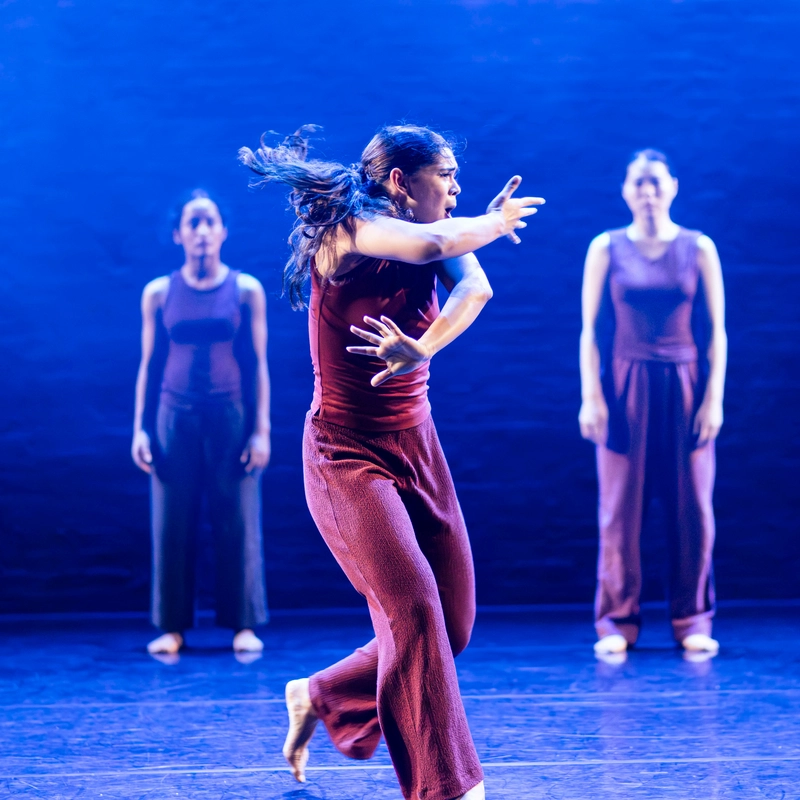
Mumbai-based MA student Vidushi D'Souza on what set LCDS apart when choosing where to study dance
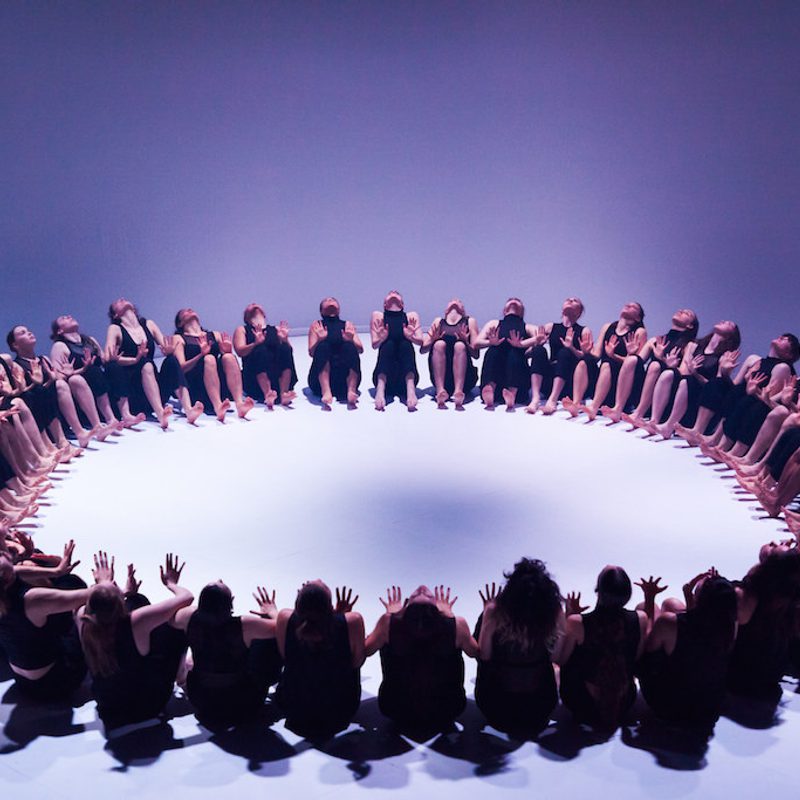
Colossus by Stephanie Lake - a co-production with London Contemporary Dance School at The Place and Southbank Centre

Q + A with Anna Helsby, Director of Student Lifecycle and Well-Being at London Contemporary Dance School
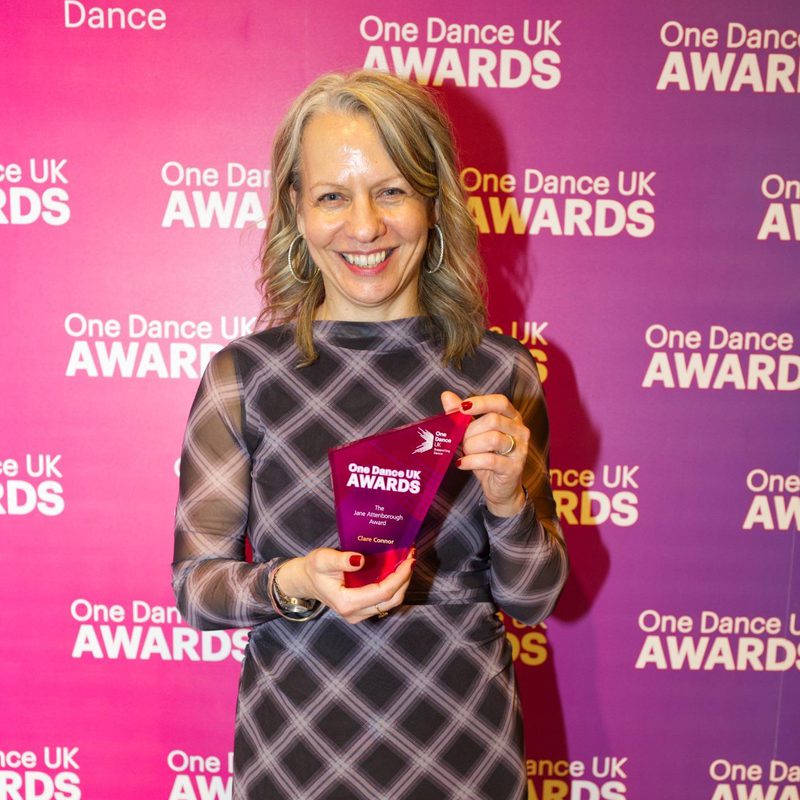
Chief Executive Clare Connor receives the Jane Attenborough Award at the 2026 One Dance UK Awards
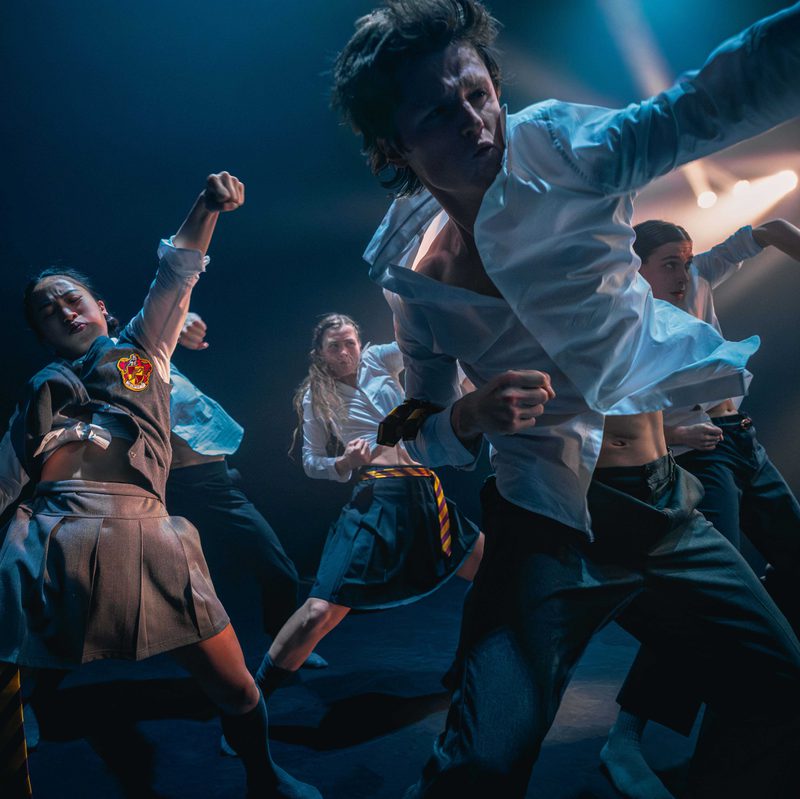
The Place and Hofesh Shechter Company announce a three-year research and innovation partnership to redefine performer wellbeing in international dance